
How to Identify and Address Unconscious Biases in the Workplace
As a new leader, you have the unique opportunity to enact positive changes in your workplace and address unconscious biases. Diversity is essential to creating healthy and productive work environments, and it starts with educating yourself on the different biases that exist.
Identifying and addressing unconscious biases can make an immense impact on how effectively you lead your team—both as individuals and as a collective unit. Taking the time to recognize potential influences of bias within yourself or others allows for true collaboration, solidarity, equity among peers, and mutual respect among colleagues.
In this blog post, we’ll look at what unconscious bias is along with ways to mitigate its effects in your team’s day-to-day dynamics so that everyone can feel heard and enabled for success!
What is Unconscious Bias?
Unconscious bias, also known as implicit bias, refers to the automatic attitudes and stereotypes that exist in our minds, unbeknownst to us. They are learned from our experiences and upbringing and can lead us to make unfair and unjustified decisions about other people without even realizing it.
But don’t worry, we all have unconscious biases; it’s a natural human response.
The important thing is to be aware of them so we can work towards overcoming them.

By acknowledging and examining our biases, we can become more open-minded and inclusive individuals in our personal and professional lives. Let’s take this opportunity to start confronting our biases and embracing diversity and inclusion in all aspects of our lives.
Examples of Unconscious Biases
We must recognize and acknowledge the existence of unconscious biases, such as gender and racial stereotypes. Many of these biases have been ingrained in us since childhood, and we may not even be aware of them.
By acknowledging and examining our biases, we can become more open-minded and inclusive individuals in our personal and professional lives. Let’s take this opportunity to start confronting our biases and embracing diversity and inclusion in all aspects of our lives.
Examples of Unconscious Biases
We must recognize and acknowledge the existence of unconscious biases, such as gender and racial stereotypes. Many of these biases have been ingrained in us since childhood, and we may not even be aware of them.
For example, assuming that women are less competent in certain fields or that people of a certain race are more likely to commit crimes.
You may also unconsciously assume that people from certain backgrounds or cultures are more or less intelligent than others. This type of prejudice often leads to the belief that those from a lower socio-economic background or those who have a different cultural heritage are less likely to succeed professionally. This belief can lead to unfair treatment in the workplace, which can lead to a lack of opportunity.
However, by actively seeking to identify and overcome these biases, we can work towards a more inclusive and fairer workplace.
Strategies for Addressing Unconscious Biases
When you address unconscious biases, it’s important to actively seek out diverse perspectives. We all have biases that we may not even be aware of, but by seeking out different viewpoints, we can start to challenge and expand our ways of thinking.
One strategy is to intentionally expose ourselves to different cultures, religions, or gender norms through travel or education.
Additionally, making an effort to connect with people who have different backgrounds or experiences than our own can give us a better understanding and appreciation for diversity.
It’s important to remember that confronting unconscious biases is an ongoing process, but by taking intentional steps to broaden our perspectives, we can make progress toward creating a more inclusive society.

Ways to Create an Inclusive Workplace
Creating an inclusive work environment is crucial for promoting a positive and productive workspace. One of the best ways to achieve this is to encourage open dialogue where employees feel comfortable expressing their thoughts and concerns without fear of judgment or backlash.
It’s also important to use language that is respectful and affirming, which can go a long way in creating a welcoming and supportive atmosphere. By acknowledging and valuing the diverse perspectives and experiences of your team members, you can cultivate a culture of inclusivity that benefits everyone.
Remember: when everyone feels heard and valued, everyone can thrive.
How to Provide Constructive Feedback
As a new leader, it’s important to not only recognize and acknowledge our own unconscious biases but to also help our team members do the same.
One way to provide constructive feedback is to approach the conversation with empathy, understanding, and kindness. Instead of pointing out mistakes or errors, focus on providing examples and opportunities for growth.
Encourage open dialogue and ask questions to gain a better understanding of your team members’ perspectives. Additionally, make sure to set clear expectations and provide resources for continued learning and development.
You can help your team members address their unconscious biases in a constructive and empowering way by creating a safe environment and showing support and patience. This will ultimately lead to a more diverse and inclusive workplace.

Resources for Leaders on Unconscious Biases
As leaders, we have a responsibility to create an inclusive workplace where every employee feels valued and respected. But sometimes, unconscious biases can interfere with our best intentions.
The good news is that there are plenty of resources available to help us educate ourselves on this matter. One way is to read books like “Blindspot: Hidden Biases of Good People” by Mahzarin R. Banaji and Anthony G. Greenwald or attend webinars and seminars on unconscious bias.
Another useful resource is the Implicit Association Test, which can help reveal hidden biases that we may not even be aware of. Take advantage of these resources to start gaining a deeper understanding of how unconscious bias affects our work and take proactive steps toward creating a more equitable and inclusive environment.
Conclusion
Unconscious bias can lead to an uncomfortable, unproductive work environment, but when managed appropriately, it can help us recognize the potential in every employee in our workplace.
Understanding different types of biases, their impact on decision-making and processes, and how to address them is an important part of leading a successful team. Taking proactive steps such as engaging with diverse perspectives, creating safe spaces for honest conversations, providing feedback thoughtfully, and educating yourself on unconscious bias are just some of the ways we can foster an inclusive work environment.
As a coach for new leaders, I’m here to support you in your journey to creating a more vibrant workplace that values and enhances the unique skills each member brings. Book your free strategy session today to see how I can support you in your leadership journey.
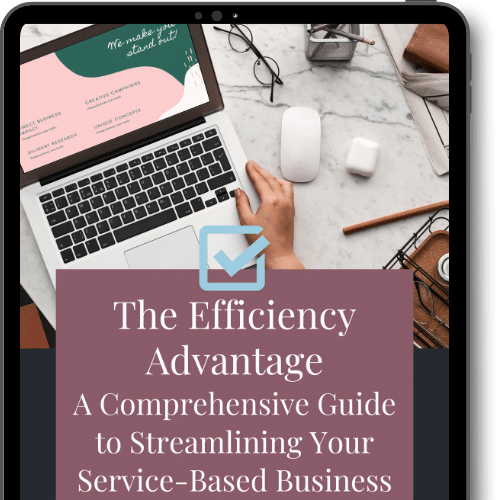
Start Your CEO Journey: The Efficiency Advantage
Discover the 5 key shifts successful business owners make to stop doing everything themselves and finally step into true CEO mode.
Hey! I'm Lauren -

Hey! I'm Lauren -
World traveler, jigsaw puzzle enthusiast, and Productivity Coach.
I help business owners take back control of their time so they can focus on what actually moves their business forward.
With a background coaching product teams at brands like Apple, Whole Foods, and the federal government, I know how to cut through the chaos and create strategies that make work easier without forcing you into rigid systems.
I’ve been in the online business space since 2014, starting with blogging, Pinterest management, and other projects. Those early experiences gave me a deep understanding of how online businesses work.
While I began as a leadership coach, I quickly realized my real passion is helping entrepreneurs master their time so they can spend less of it spinning their wheels and more of it doing the work that actually matters.
Now, I help business owners get more done in less time—not by cramming more into their schedule, but by teaching them how to work smarter.
Whether you want to clear the mental clutter, get unstuck, or finally follow through on the plans you keep making, I’ll help you create a productivity strategy that fits you.


EXPLORE
Lauren Glynn Consulting is where successful women and nonbinary business owners come when they're ready to stop being the bottleneck and start leading their business. Through customized operational leadership coaching and done-with-you systems implementation, I help you build the leadership capacity AND the operational infrastructure to step out of the day-to-day and run a business that doesn't need you holding everything together.
Copyright 2026 Lauren Glynn Consulting LLC. All rights reserved.