
Building a Culture of Mentorship & Coaching for Sustainable Talent Growth
As a new leader, you might feel overwhelmed with everything required to be successful in your new role, and the last thing on your mind is mentorship and coaching. You know it’s essential to have a team that is driven towards desired outcomes, and taking the time to build a culture of mentorship and coaching is a great way to ensure that happens.
Having sustainable talent growth requires an organization to foster a culture of development that can’t just happen overnight. That’s why today we’re discussing some key strategies for building a culture of mentorship and coaching so that you can start achieving more effective results from your team while setting them up for success down the road!

Why Mentorship and Coaching Are Important for Teams
Fostering Sustainable Talent Growth
“Give a man a fish and you feed him for a day; teach a man to fish and you feed him for a lifetime.”
This sentiment is at the heart of both mentorship and coaching. Mentorship involves a seasoned professional providing guidance and advice to someone in a particular field, while coaching typically involves a more collaborative relationship focused on skill development.
Both approaches are essential in fostering sustainable talent growth, as they provide individuals with the guidance and tools they need to reach their full potential. Whether you’re a seasoned veteran or just starting out, having a good mentor or coach can make all the difference in your career trajectory. Plus, it’s always nice to have someone who’s been there before to commiserate with when things get tough.
Unlocking Individual and Team Success
Mentorship and coaching are essential in fostering a team’s sustainable talent growth, as they offer guidance and skills development that will shape the success of individuals within the team. Mentoring provides experienced professionals with the opportunity to pass on their knowledge to someone in a specific field, while coaching facilitates a more collaborative relationship that focuses on skill-building. By providing members of the team with access to mentorship and coaching, leaders can ensure that each individual is equipped to reach their fullest potential.
Mentorship and coaching give team members access to resources and support that can help reduce stress and make them better equipped for long-term success. Through mentoring, individuals can gain insight into areas they’re unfamiliar with or need improvement in. Coaching helps foster self-reflection and encourages constructive feedback, which leads to personal growth. By developing both hard and soft skills through mentorship and coaching, members of the team become more confident, independent thinkers who are better able to manage their tasks effectively.
Organizations also benefit from having mentorship and coaching initiatives in place; employees who have access to these opportunities are often more motivated and productive due to feeling supported by leadership. Furthermore, research has shown that mentorship can increase employee engagement levels by up to 50%, making it an invaluable tool for promoting organizational success.
In conclusion, mentorship and coaching are critical tools for helping teams achieve sustainable talent growth. Leaders should take advantage of these programs by creating an environment where individuals feel comfortable asking questions or seeking advice from peers or mentors, thus encouraging an atmosphere of learning, collaboration, and support.

The Difference Between Mentoring and Coaching as a Leader
As a leader, it’s important to understand the difference between mentorship and coaching.
While both involve providing guidance and support, they differ in their approaches. Mentoring is typically a long-term relationship focused on career development and personal growth. A mentor provides wisdom and advice based on their own experiences and knowledge.
Coaching, on the other hand, is more mindset-oriented. It focuses on helping the person being coached get clarity and make their own decisions on how and what to do. So, if you want to be a successful leader, it’s essential to know when to use each approach and how to effectively apply mentorship and coaching in the right situations.
How to Mentor and Coach as a Leader
As a leader, it’s your responsibility to not only manage your team effectively but to mentor and coach them to reach their full potential. Taking the time to invest in your employees’ growth and development will pay off in the long run.
Mentoring team members is about helping them become better professionals by providing advice and resources based on your experience. This includes offering constructive feedback, talking through challenges they’re facing, and connecting them with other people in the industry who could help further their careers.
Coaching team members is more focused on encouraging their personal growth and development. It’s about helping them develop new skills, think extensively about certain topics, or work through difficult circumstances. You can accomplish this by asking thought-provoking questions that guide them to find a solution on their own.
When it comes to mentorship and coaching as a leader, it’s important to remember that every individual will have different needs and preferences when it comes to how they learn best. The key is to be mindful of their individual needs and create an environment that is conducive to growth.
How to Build a Culture of Mentorship and Feedback on Your Team
Building a culture of mentorship and feedback on your team is crucial for the development of your employees and the growth of your organization.
It’s not just about providing occasional coaching sessions or feedback meetings but rather about creating a continuous dialogue where employees feel comfortable sharing their thoughts and ideas with their mentors.
You don’t need to develop formal mentoring or coaching programs. It can simply be two colleagues working together to help each other grow.

And feedback shouldn’t be a one-time event either; it should be ongoing and built into the regular performance evaluation process, not only between a leader and a team member but also between team members.
You likely have diverse views, perspectives, and experiences within your team. Your team should use that diversity to learn new skills and improve, both individually and as a whole.
Common Challenges When Implementing a Culture of Coaching and Mentorship
Implementing a culture of coaching and mentorship can be a daunting task for any organization, especially for someone new to leadership. Common challenges, such as resistance to change or a lack of buy-in from employees, can make the process seem like an uphill battle.
It’s important to remember that this is a process that takes time. Don’t expect overnight success or immediate results. Start small by introducing coaching and mentorship to your team one-on-one, and then gradually grow the practice as your team gets used to it.
Make sure you communicate the benefits of mentoring and coaching, such as increased skills, motivation, engagement, productivity, trust between employees, and overall organizational growth. Show how these are connected to achieving business goals and objectives.

Finally, be patient but persistent in your efforts to implement a culture of coaching and mentorship on your team. It’s important to remember that mentorship and coaching aren’t just buzzwords; they’re invaluable tools for personal and professional growth. With time and commitment, you’ll begin to see the positive effects of implementing this culture in your organization.
By encouraging a culture of mentorship and coaching, employees can learn from their leaders and each other and gain new skills that they can apply to their work. With the right approach and attitude, organizations can overcome challenges and reap the benefits of a culture of coaching and mentorship.
Conclusion
Leadership coaching and mentoring are key to sustainable talent growth, but in a complex, fast-paced business world, it’s easy to get lost. Given the complexity of the topic, it takes careful consideration of your team’s dynamics and values to create an effective culture of coaching and mentoring. Ultimately, if done well, it can lead to greater levels of success for both leaders and their teams.
Encouraging learning through feedback and open communications creates strong relationships within your team and increases collaboration overall. It’s important to check in regularly with everyone on the team—from top-level executives down to front-line workers—to ensure everyone is getting what they need out of their experience.
Once you set that base, you can build a strong coaching and mentoring culture. This, in turn, motivates people to work harder and care more. Being a good mentor significantly influences the future success of any organization.
Let me help you create a culture of coaching and mentoring on your team or navigate team dynamics if you are feeling overwhelmed. With tailored advice specific to the needs of new leaders, I aim to help them build cultures where their teams can flourish.
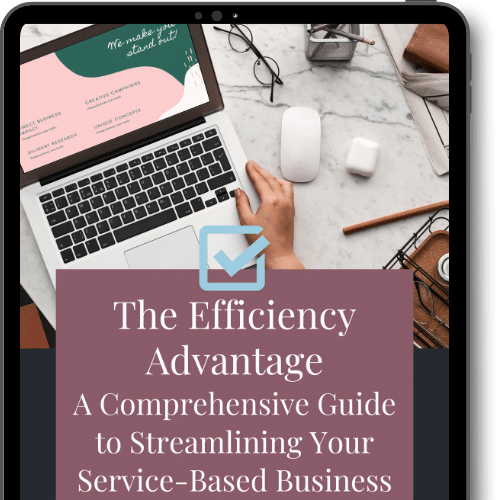
Start Your CEO Journey: The Efficiency Advantage
Discover the 5 key shifts successful business owners make to stop doing everything themselves and finally step into true CEO mode.
Hey! I'm Lauren -

Hey! I'm Lauren -
World traveler, jigsaw puzzle enthusiast, and Productivity Coach.
I help business owners take back control of their time so they can focus on what actually moves their business forward.
With a background coaching product teams at brands like Apple, Whole Foods, and the federal government, I know how to cut through the chaos and create strategies that make work easier without forcing you into rigid systems.
I’ve been in the online business space since 2014, starting with blogging, Pinterest management, and other projects. Those early experiences gave me a deep understanding of how online businesses work.
While I began as a leadership coach, I quickly realized my real passion is helping entrepreneurs master their time so they can spend less of it spinning their wheels and more of it doing the work that actually matters.
Now, I help business owners get more done in less time—not by cramming more into their schedule, but by teaching them how to work smarter.
Whether you want to clear the mental clutter, get unstuck, or finally follow through on the plans you keep making, I’ll help you create a productivity strategy that fits you.


EXPLORE
Lauren Glynn Consulting is where successful women and nonbinary business owners come when they're ready to stop being the bottleneck and start leading their business. Through customized operational leadership coaching and done-with-you systems implementation, I help you build the leadership capacity AND the operational infrastructure to step out of the day-to-day and run a business that doesn't need you holding everything together.
Copyright 2026 Lauren Glynn Consulting LLC. All rights reserved.